

Integrated Pest Management (IPM)
Many of the ornamental trees, shrubs and groundcovers in your landscape may be susceptible to damage by insects or fungal diseases. If left unchecked, these problems can lead to unsightly or even life-threatening conditions for your plantings.
A Holistic Approach to a Healthier Landscape
Milieu Landscaping offers a comprehensive Integrated Pest Management (IPM) program, providing an effective and environmentally sensitive approach to pest management. Our preventative program schedules applications throughout the season that are specifically selected for your landscape plantings. Based on our horticulturist’s assessment of your plantings, taking into consideration any previous problems and combining them with area trends, we propose a tailored IPM program for your property.
An Effective & Environmentally Sensitive Approach
Our IPM program is a cornerstone of superior lawn care and yard maintenance. Based on our horticulturist’s assessment of your plantings, taking into consideration any previous problems and combining them with area trends, we propose an IPM program for your plantings. This preventative program schedules applications for the season that are specifically selected for your landscape plants.
We understand that a thriving landscape is a vital component of your home’s curb appeal, and our IPM strategies are designed to protect that investment. When you are considering comprehensive lawn care and yard maintenance, think of us as your locally trusted partner.
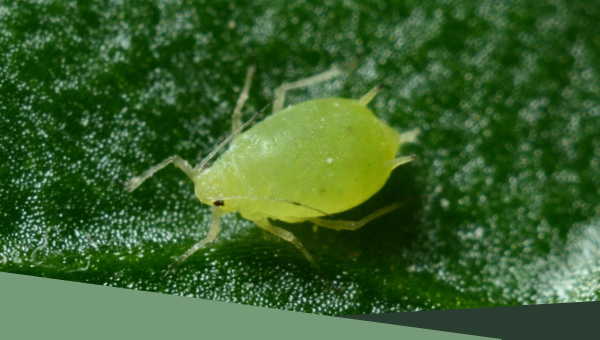
Integrated Pest Management Treatments:
Your IPM program will include combinations of the following applications, or other specialized applications, as appropriate to maintaining the health of your plantings:
Insecticides:
- IPM – Aphid Spray: One (1) spray application. Generally applied on an as needed basis as problems are observed.
- IPM – Ornamental Insecticide Program: One (1) dormant oil spray application (Spring) and one (1) insecticide spray applications (Summer). Very important for plants that are susceptible to scale insects.
- IPM – Japanese Beetle: One (1) systemic application preventatively or one (1) contact when they are present in large numbers.
- IPM – Sawfly Spray: One (1) spray application. These treatments are needed for Pines.
Fungicides:
- IPM – Spring Ornamental Fungus Spray: Three (3) spray applications. Commonly needed on Crabapples and Hawthorns.
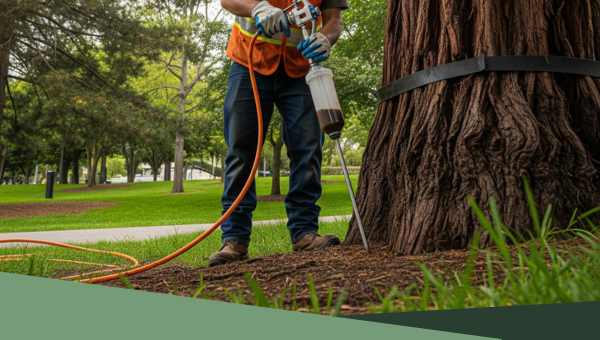
Specialized Treatments:
Also included in our IPM schedule is our Deep Root Feeding and Transfilm applications. While these don’t treat for specific pests or fungi, these treatments continue to stimulate and protect your plants’ health during the seasons and bring great value to your landscape care. These specialized treatments are a key part of our commitment to year-round seasonal lawn maintenance.
- Deep Root Feeding: One (1) soil injection application. Custom blended fertilizer is injected into the soil throughout the root zone of the plant to stimulate root growth and provide the plant with necessary nutrients. This promotes robust growth, essential for effective lawn care and yard maintenance.
- Transfilm Applications: One to three (1-3) spray applications to manage winter’s harsh impact on evergreen trees and shrubs. Transfilm is an inexpensive, preventive spray application that locks in the moisture of your broadleaf evergreens and evergreens. It protects them from the harsh winter temperatures and winds, increasing the vigor of your plants the following spring.
Note: During certain growing seasons a particular pest may become significantly greater due to weather conditions and/or unusually heavy infestations. If this condition can be treated by additional spraying measures, we will advise you of the added cost and proceed with your approval.
A Trusted Lawn Care Company for Proactive Plant Health
As a leading lawn care company, our team is dedicated to proactive solutions. Our expertise in seasonal lawn maintenance means we are always monitoring your landscape for potential issues, ensuring the vitality and beauty of your property. We believe that preventing problems before they escalate is key to a flourishing outdoor space. Our commitment to environmentally conscious practices sets us apart, guaranteeing the health of your plants and the planet. Trust our lawn care company to provide the most effective and environmentally conscious solutions for your landscape needs.
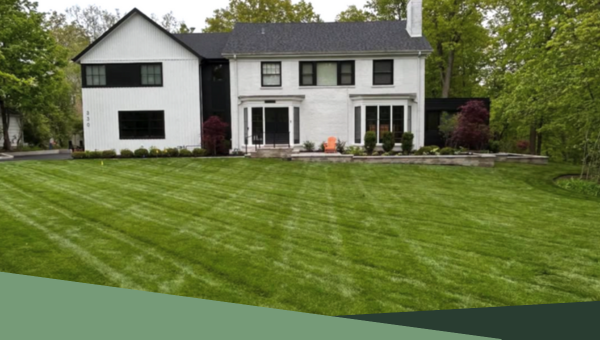
The Impact of Fungus
Fungus can be a tricky problem to tackle. Found on both turf and landscape plants, it’s important to keep a watchful eye during the stressful summer months.
What Causes Fungus?
In landscaping and gardening, fungi are usually seen as plant pathogens that cause disease. These pathogens can cause a variety of issues, including
- Leaf spots
- Powdery mildew
- Rust
- Root rot
- Blights
Fungi thrive in warm, humid, and wet conditions, which is why Illinois summers often lead to outbreaks.
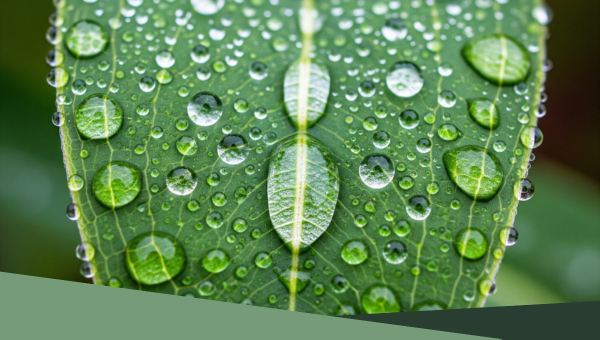
Environmental Conditions That Lead to Fungi
Fungi thrive in specific environmental conditions. Here’s what to watch for:
Heat + Humidity: Many fungi thrive when daytime temperatures are between 75–90°F combined with high humidity or frequent rain. Summer rainstorms often create the perfect environment for fungi to grow.
Excess Moisture: Overwatering, poor drainage, or frequent light irrigation keeps leaves and soil damp, which encourages spore growth. Watering lawns and plants in the evening leaves them wet overnight. Try to water in the early morning during the summer.
Poor Air Circulation: Dense plantings or unpruned shrubs trap moisture, allowing fungi to spread. Overcrowding can cause poor airflow.
Stressful Conditions: Stressors like drought followed by rain, compacted soil, or mowing turf too short weaken plants, making them more susceptible to disease. Pay close attention to high-traffic areas during hot weather.
Common Turf Fungal Issues in Illinois
Here are some of the most common fungal diseases that affect lawns in Illinois:
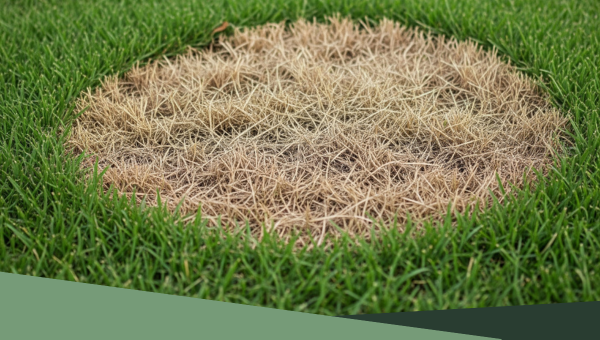
Brown Patch: Caused by hot, humid nights and overwatered or over-fertilized lawns.
Dollar Spot: Caused by low nitrogen and high humidity, leading to small, bleached spots on the turf.
Pythium Blight: An aggressive disease that thrives in excess moisture and poor drainage, often appearing after heavy storms.
Rust: Seen in late summer on stressed turf. It leaves an orange-colored powder on shoes and lawnmowers.
Common Plant Fungal Issues in Illinois
These are some of the fungal diseases frequently found on landscape plants in Illinois:
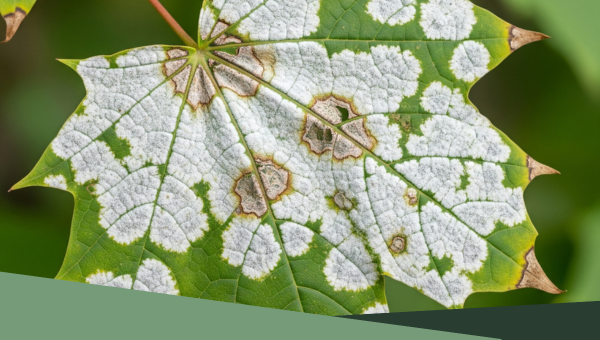
Powdery Mildew: Appears as a white, powdery coating on leaves and stems. It is common on lilacs, phlox, and roses during warm, dry days and humid nights.
Leaf Spot: A general term for diseases like anthracnose and septoria, which are caused by wet leaves from rain or overhead irrigation.
Rust: A common issue on ornamental plants like hollyhock and crabapple, which produces small, rust-colored spots on leaves.
Root Rots: Occur in waterlogged soil around trees, shrubs, and perennials, leading to wilting, yellowing, and eventual plant death.
Partner with Milieu Landscaping for Superior Yard Maintenance
Choosing Milieu Landscaping means partnering with a lawn care company that prioritizes the long-term health and beauty of your property. Our comprehensive IPM program, combined with our expertise in seasonal lawn maintenance and general lawn care and yard maintenance, ensures your landscape remains vibrant and resilient. We are dedicated to helping you achieve and maintain the outdoor space of your dreams. Don’t wait for pest problems to take hold; request a free consultation today and let us tailor an IPM program that’s perfect for your outdoor space.
Request A Free Consultation
Contact us today to schedule a free consultation and see how we can transform your outdoor space.
"*" indicates required fields