

Let’s talk turf! Getting a perfect lawn in Illinois takes a combination of smart timing, the right grass type, and consistent good year-round care tailored to the Midwest climate. Here’s a step-by-step guide:

1. ☀️⛅️☁️CHOOSE THE RIGHT GRASS TYPE
Choosing the right type of grass seed (or sod) is essential for achieving a healthy, vibrant lawn in Illinois. Factors such as sunlight, soil type, and usage (foot traffic) all impact what variety will thrive best. Sunlight levels in particular—full sun vs. partial shade—will directly affect growth rate, color, and density.
Tips:
- Use a blended mix tailored for your yard’s sun/shade ratio.
- Sod vs. Seed: Sod offers instant results, but seed allows for custom blends and stronger root establishment over time.
🌱 2. Overseed (Late Summer is Best)
Overseeding is a powerful way to refresh and strengthen your lawn—especially after a tough summer. It fills in bare spots, thickens turf, and introduces improved grass varieties.
When to Overseed:
Mid-August to mid-September is ideal for Illinois.
How to Do It:
- Lightly rake the lawn or apply a thin layer of peat moss to improve seed-to-soil contact.
- Water lightly 2–3 times a day until germination begins.
Why Overseed?
- Thickens turf and improves uniformity
- Crowds out weeds naturally
- Introduces disease- and drought-resistant varieties
- Repairs damage from heat, pests, and foot traffic
- Enhances color, texture, and lawn longevity
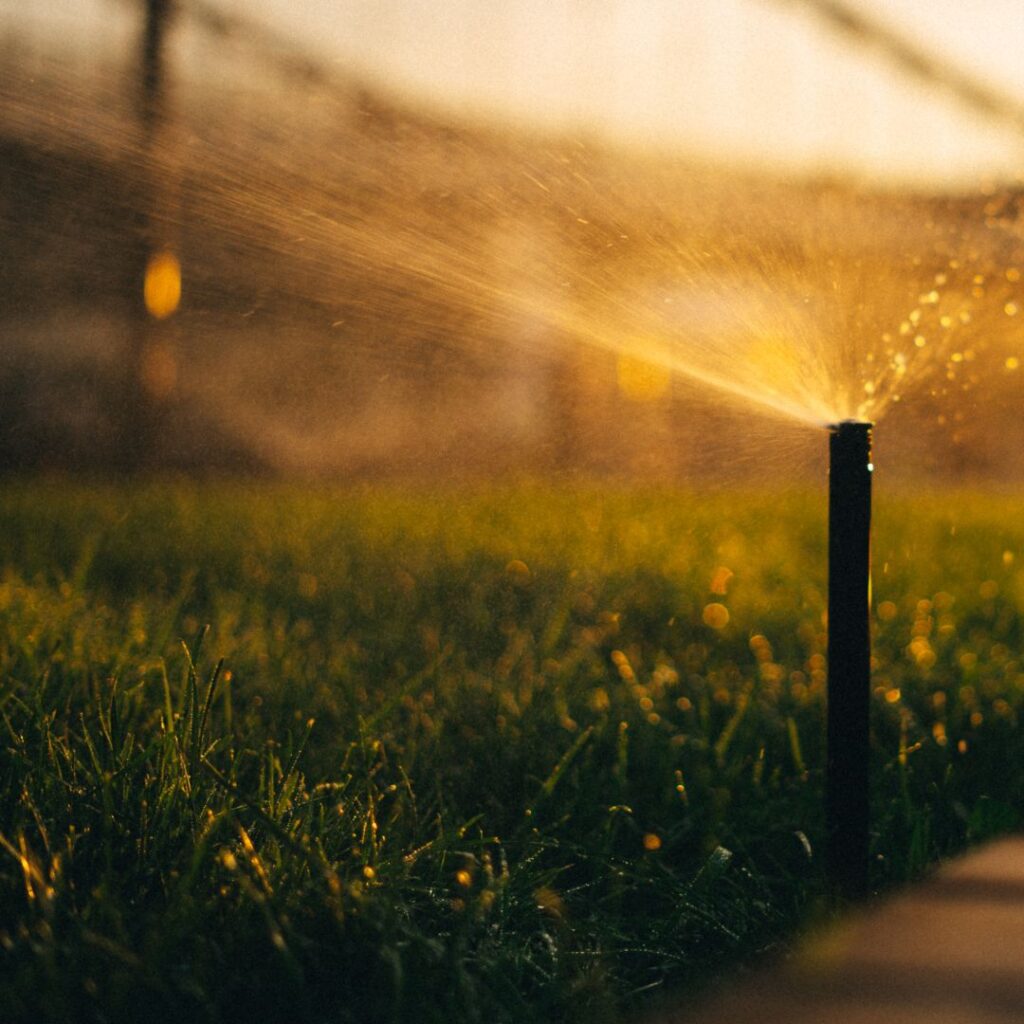
💧 3. Water Wisely
Water is critical—but how and when you water matters.
- Established lawns need 1 to 1.5 inches of water per week
- Water early in the morning to reduce evaporation
- Deep, infrequent watering encourages deep root growth
- Use a rain gauge or even a tuna can to measure sprinkler output
Pro Tip: Have dogs? Their urine can affect your turf but watering their “spots” after will help dilute the potency and burn marks in your lawn.
✂️ 4. Mow Regularly & Grasscycle
Mowing isn’t just cosmetic—it promotes lawn health and density.
Pro Tip: Leave grass clippings on the lawn (called grasscycling). This returns nutrients to the soil and reduces the need for synthetic fertilizer.
Consistent mowing supports thicker turf that better resists pests, weeds, and drought.

🍃 5. Fertilize Correctly
Fertilizing gives your lawn the nutrients it needs to thrive.
Benefits of Proper Fertilization:
- Boosts green color and lushness
- Encourages deep roots and dense turf
- Improves resistance to weeds, drought, pests, and disease
- Accelerates recovery after mowing, heat, or damage
- Enhances soil health with organic or slow-release options
Apply fertilizers based on the season and lawn needs.
🐛 6. Control Weeds, Pests & Disease
Midwestern lawns are no strangers to crabgrass, grubs, and dandelions.
Essential Treatments:
- Pre-emergent herbicide: Apply in early spring before soil hits 55°F to prevent crabgrass
- Post-emergent weed control: Spot-treat visible weeds like dandelions
- Grub control: Apply in late spring if grub activity is present, preventatives treatments however are best to add to your maintenance program to avoid unwanted damage with grub activity.
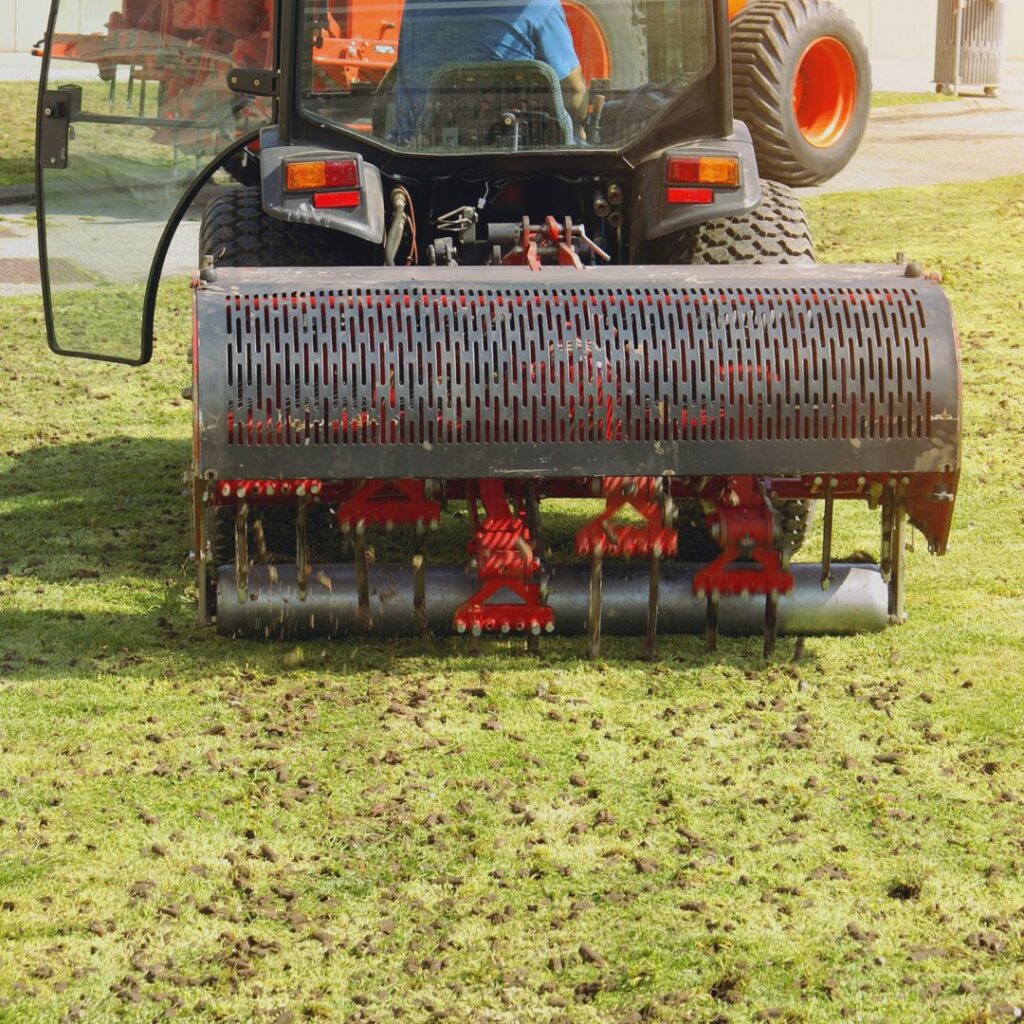
🪓 7. Dethatch & Aerate
Healthy soil = healthy grass.
- Dethatch if you have more than ½ inch of thatch buildup
- Aerate your lawn every 1–2 years in late summer to reduce compaction and improve air, water, and nutrient flow
Aeration is especially helpful before overseeding for better seed-to-soil contact.
🏆 We Can Help!
Consistency is key—and we’re here to help. Our award-winning turf care team offers custom plans to suit your property’s needs, whether you’re starting fresh or maintaining a high-end look.
Let us help you get the lawn you’ve always wanted—healthy, green, and built to last. Contact us today to get started!